
Event measurement isn't a data problem. It's a credibility problem.
Lessons from International Confex on turning event data into decisions leaders can stand behind.
A couple of weeks ago, I hosted my first event since joining Explori, at International Confex in London.
Not my first event 'ever', but my first time being the person responsible for the whole thing: the invitations, the logistics, the run of show, the "will anyone actually show up?" nerves, and then the part that matters most, sitting in a room with people who do this at scale and hearing what's really going on.
Our activation had three connected parts:
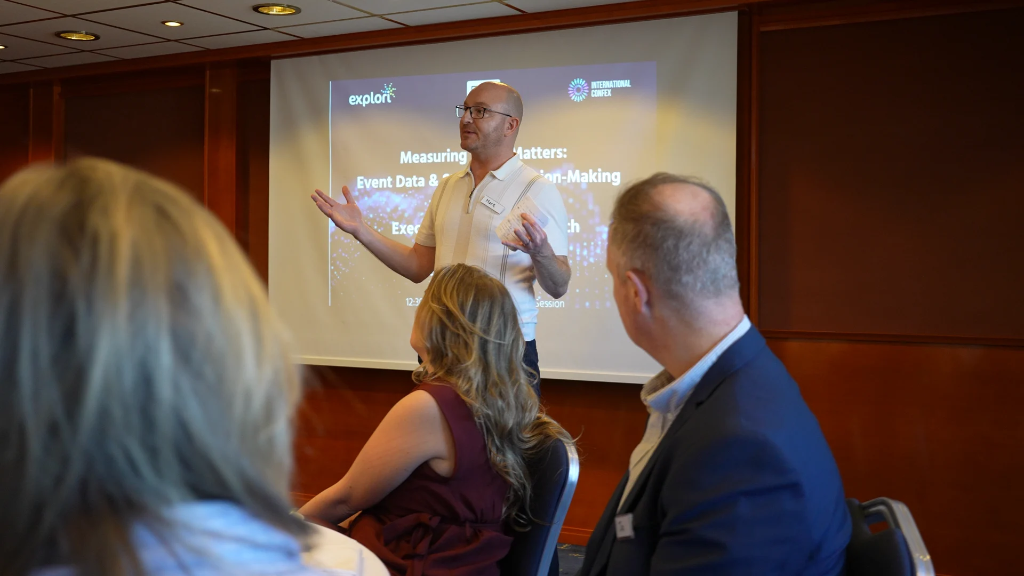
- An invitation-only executive roundtable lunch for senior corporate event and marketing leaders, hosted on the Sunborn Yacht (under Chatham House Rule).
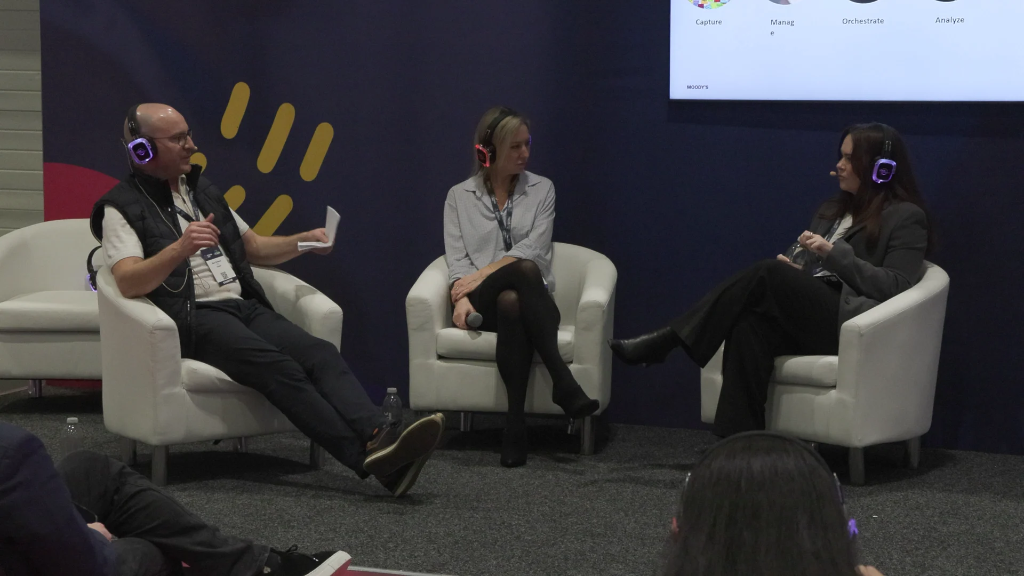
- A panel session at the Brand Experience Lab, titled Measuring What Matters: Turning Event Data into Decisions Leaders Can Stand Behind, featuring panellists Charlotte Mist, Director of Global Events at Elsevier, and Emma Grant, Associate Director of Events at Moody's Analytics.
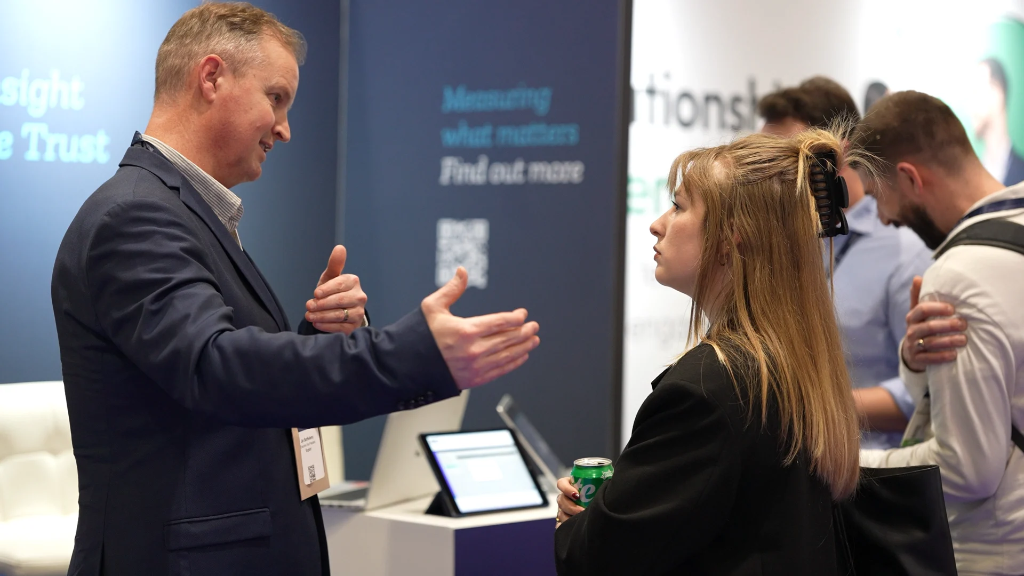
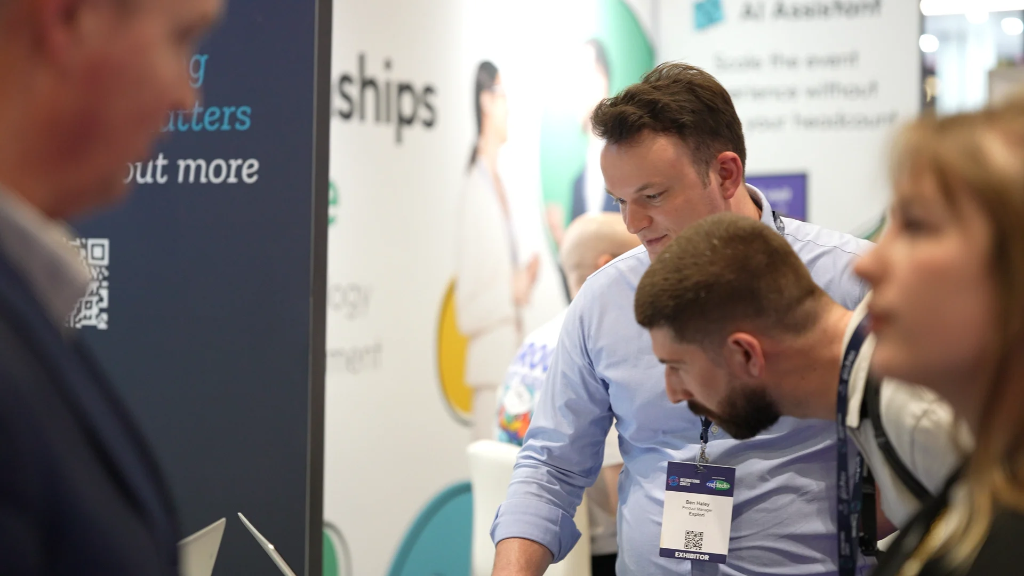
- A conversation-led booth presence, designed to surface what event measurement looks like when it has to stand up in the boardroom.
The "why" behind all of it was simple.
Event leaders aren't short of data. They're short of air cover.
Across the roundtable, the panel, and the booth conversations, the most revealing moments weren't about dashboards or "which metrics should we track?" They were about pressure.
Pressure to justify spend in tougher budget cycles. Pressure to defend decisions in rooms where not everyone believes in the value of events. Pressure to prove an event "worked" beyond a handful of numbers, or a few anecdotes.
And what stood out most to me was the candour. Senior leaders openly admitted where their measurement still feels fragile, where systems don't connect, and where reporting still feels reactive. That honesty matters, because it's easy to assume other teams have "solved measurement" and you're the only one struggling.
That's not a tooling issue. It's a maturity issue.
It also reinforced something bigger for me: the industry does not need more event reporting. It needs event intelligence: a way of measuring events that is comparable, decision-useful, and strong enough to travel across the business. That's a higher bar than post-event feedback. But it's also the standard events will increasingly be held to.
1) "Measurement isn't a data problem. It's a credibility problem."
That phrase landed because it describes the lived reality.
Most teams can produce metrics. The challenge is whether those metrics actually explain what changed because of the event.
The real gap isn't always missing data. It's missing signals about what people experienced, felt, and decided as a result of being there.
Without that human layer, reporting tends to default to activity numbers:
- attendance
- scans
- meetings booked
- pipeline attribution
Those numbers are useful, but they rarely answer the question leadership actually cares about: Did the event move anything meaningful? Did brand trust increase? Did brand perception shift? Did the conversation progress?
When that signal is missing, teams fall back on operational explanations:
- imperfect CRM tagging
- inconsistent follow-up data
- attribution debates about which touchpoint "deserves credit"
Those issues matter, but they're symptoms of a deeper gap: the story between the interaction and the outcome is invisible.
What makes measurement credible is being able to show the movement that happens between attendance and revenue, such as the shifts in sentiment, intent, and relationships that events are uniquely good at creating.
Once that layer is visible, the rest of the reporting becomes much easier to defend.
2) Ownership is a divider
When the group was asked who has someone in their team that owns measurement, only a small number did.
Where organisations had made progress, it wasn't just a better dashboard. It was someone taking ownership of the framework, the definitions, and the narrative.
In practice, ownership looks like:
- aligning on the KPIs and metrics with leadership that will be used consistently to help inform future strategy
- ensuring the survey is set up and agreed on well before the event starts, not as an operational box-ticking exercise
- holding the line on definitions when teams are under time pressure
Without that, measurement becomes inconsistent. And inconsistent measurement rarely stands up to scrutiny.
3) One report can't satisfy every stakeholder
Different stakeholders want different answers, and the biggest mistake is trying to serve everyone with a single, sprawling report.
It sounds efficient. It usually isn't. What you end up with is a report that tries to be complete instead of one that informs future event strategy.
One practical tip that stuck with me: keep leadership reporting to a small number of headlines with a clear call to action, otherwise people switch off.
A second tip: separate "decision reporting" from "performance analysis." Leadership often needs the first. The second is what enables you to improve.
4) ROI is lagging; leading indicators are where credibility gets built
Common attribution models can undervalue events, especially first-touch and last-touch models that over-credit digital channels.
What felt more useful were leading indicators that reflect how events actually create value:
- behavioural impact and attitudinal shift
- purchase intent vs. purchase stage
- relationship movement and engagement quality
Events teams shouldn't be judged purely on closed revenue. They're often responsible for movement, not closure.
I also heard a practical warning: if you only measure lagging outcomes, you create the wrong incentives. Teams will optimise for what is easiest to count, not what is strategically valuable.
5) Qualitative proof lands
It was striking how often leadership is swayed by specific customer soundbites and anecdotes, especially when paired with the right quantitative context.
The best examples weren't long case studies. They were short moments that made impact real. A direct quote. A before-and-after shift. A specific "this is what changed in our thinking."
Used well, qualitative evidence does two jobs:
- it makes the impact credible
- it explains why the numbers moved (or didn't)
6) Survey response is a lever you can pull
Response rates came up as a practical constraint, but also a solvable one.
The best practices were consistent:
- multi-channel distribution (app, QR, email)
- shorter surveys
- framing that makes people feel heard
- showing what changed based on prior feedback
One extra nuance I took away: response rate tends to follow trust. If attendees believe the feedback loop is real, they respond.
Closing thought
If I had to summarise Confex in one line, it would be this:
Event data isn't scarce. What's scarce is the number of credible signals being tracked to measure what actually moved the needle.
And if events are going to shape growth and strategic direction, not just "activity reporting," measurement has to step up, and it has to hold under pressure.
That means doing the unglamorous work: agreeing definitions, assigning ownership, designing leading indicators, capturing the human signal between interaction and outcome, and telling a compelling story that stands up to leadership scrutiny. That is what separates the events function shifting from an operational delivery function to a strategic growth lever for the business.
Key takeaways from International Confex
- Event teams rarely lack metrics, but they often lack measurement that leadership trusts
- Credibility comes from measuring movement, not just activity
- Ownership and governance are essential for consistent measurement
- Leading indicators help explain impact before revenue appears
- Qualitative evidence strengthens the quantitative story
Apply this methodology to your own event programme.
Explori operationalises measurement methodology proven across thousands of events. The questions, the framework, the benchmarks, all built in, all defensible to leadership.