
What Happens After the Exhibitor Signs
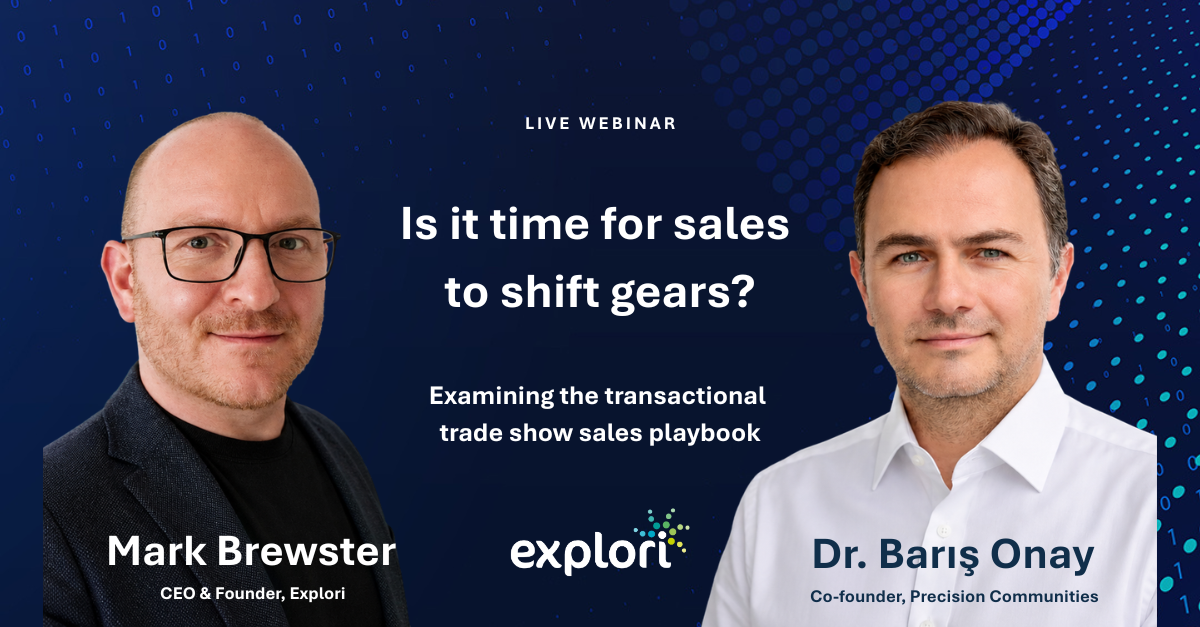
In conversation with Dr Barış Onay, co-founder of Precision Communities
We asked a room of trade show revenue leaders whether the industry's dominant sales approach is still fit for purpose. The answer was more emphatic than we expected.
On 8 September, Mark Brewster, CEO and founder of Explori, hosted a live session on the question. Mark spent his career running B2B and B2C events before moving into research, and now sees exhibitor sentiment across thousands of shows worldwide. He was joined by Dr Barış Onay, co-founder of Precision Communities, who spent twenty years in executive roles at public and private equity backed organisers, including group roles at ITE, later Hyve, and chief commercial officer at Tarsus. Much of what follows draws on what he built and learned in those jobs.
At the end of the session we polled the room. Four options: change nothing, move sales slightly in a consultative direction, move it dramatically, or keep sales as it is and add a customer success function.
Not one person chose change nothing.
That is worth sitting with. The room was senior, spread across the UK, Europe, the Middle East and the US, and made up of people who own exhibitor and sponsor revenue. Some of them run shows dominant enough to sell out regardless of how they sell. None of them thought the current approach was good enough for what is coming.
The debate has moved. It is no longer about whether the transactional sell is a problem. It is about what to do instead.
Watch the full session on demand
.png?length=1920)
The most useful definition of transactional isn't about the sale
Mark Brewster opened the session by framing a spectrum, running from a fully transactional sales style at one end to a fully consultative one at the other, with several stages in between. Nobody was arguing that every organiser should sit at the same point on it.
But when Barış was asked to describe the dominant approach in the industry, he located it somewhere unexpected. Not in how the deal gets done, but in what follows.
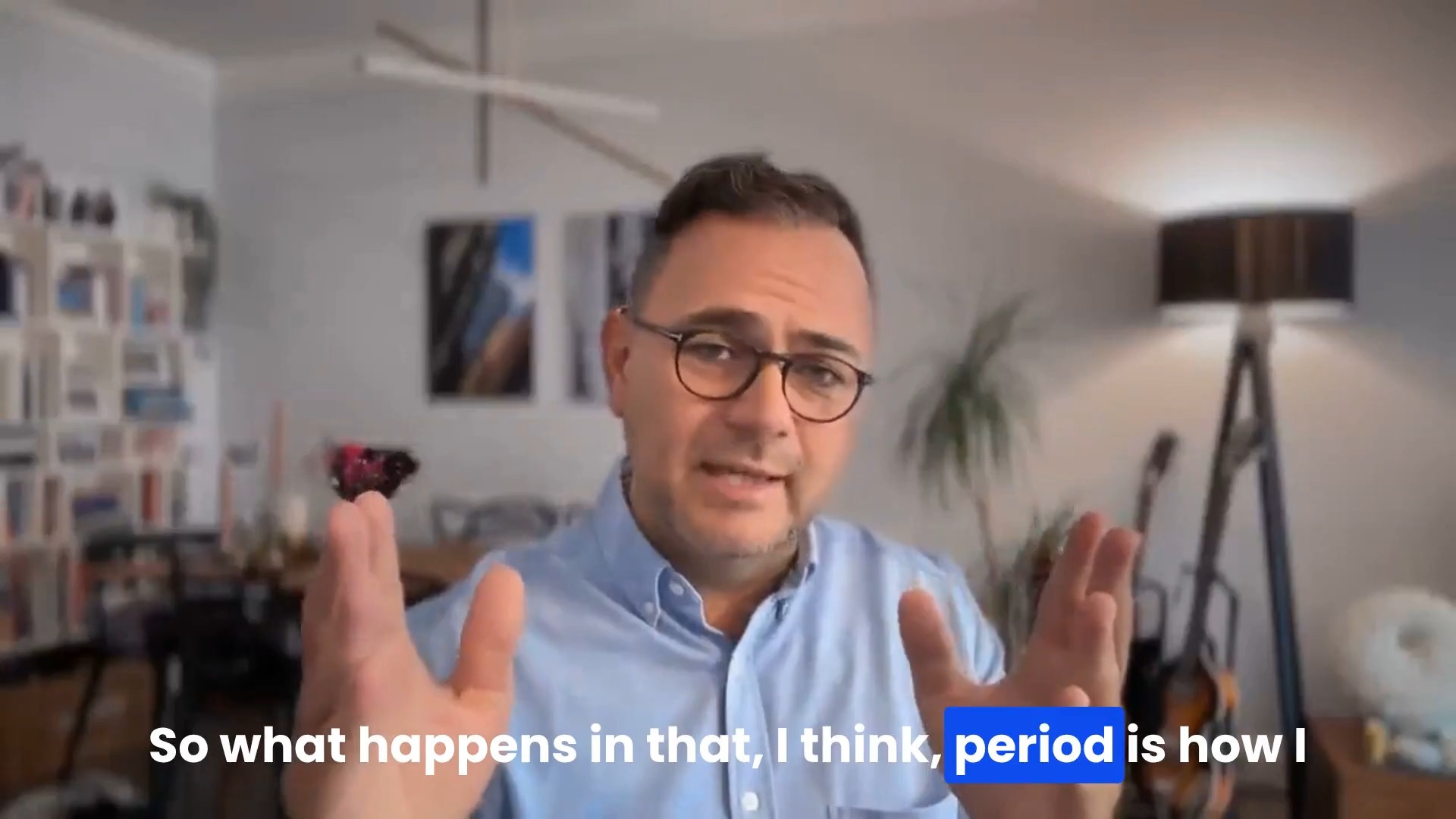
Dr Barış Onay on the value gap
That reframing is the most useful idea from the session. A sale can be brisk, efficient and perfectly polite, and still be transactional, because the definition sits in the months afterwards. The exhibitor has paid. The show is eight months or a year away. In that window they receive an invoice, some forms, and silence.
For an organiser, that window is quiet. For the exhibitor, it is the entire period in which they are carrying the risk.
The same company, two completely different relationships
The story Barış told next made the point better than any framework could.
Dr Barış Onay on two teams selling to the same customers
Same business. Same customers. One team selling space to a sold-out floor plan, moving fast because they could afford to lose the odd exhibitor and backfill from demand. Another team selling advertising to those same exhibitors, taking them to dinner and knowing their children's names, because that side of the business had to earn every pound.
Which tells you something uncomfortable. The transactional approach is rarely a considered strategy. It is what happens when demand makes it possible.
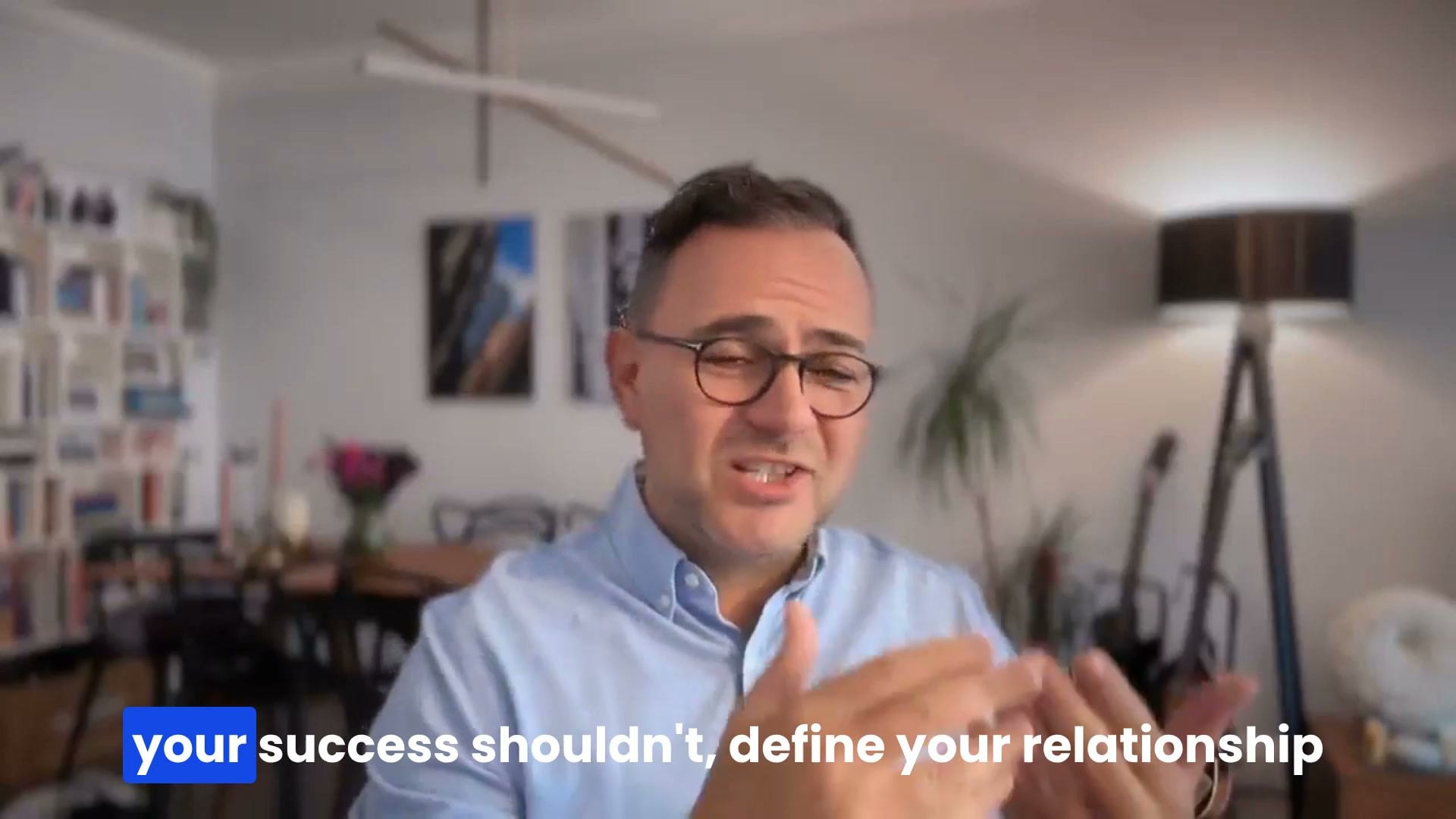
Dr Barış Onay on success and the customer relationship
Retention can look healthy and mean very little
There was a moment in the session that should give anyone reading their rebook numbers pause.
When Barış's team at ITE, later Hyve, started measuring exhibitor sentiment properly, a pattern emerged. A meaningful group of exhibitors were rebooking while not being happy at all. They came back because they felt they had no real alternative.
Retention counted them as a success. The relationship told a different story. Unless you are asking the question directly, those two groups look identical on a spreadsheet.
The point is not that rebook rate is the wrong number. It is that a rebook rate on its own cannot distinguish between an exhibitor who chose you and an exhibitor who felt stuck with you. One of those is durable. The other leaves the moment a credible alternative appears.
Why the room cared about this now
Every version of this conversation has happened before. The reason it is landing differently is that three things are happening at once.
Dr Barış Onay on the three converging forces
Costs across the board are pushing exhibitors' return on investment calculations the wrong way, so spend gets scrutinised harder every cycle. Capital flooding into events means more shows launching, more being acquired, and corporates investing seriously in their own flagship events. The third force cuts the other way: the tools to understand and serve hundreds of accounts individually now exist, and they are cheap.
That third point changes the nature of the excuse. Serving a large exhibitor base individually used to be a resourcing problem. Increasingly it is a choice.
Where we would push back on the poll result
By some distance, the most popular answer in that final poll was to keep sales roughly as it is and add customer success alongside it. Nearly four in five chose it. It is an understandable answer. It is also the one Mark challenged hardest.
Mark Brewster on what customer success cannot fix
The customer success route has real evidence behind it. At Hyve it started with churn analysis and a full customer journey map, which surfaced that salespeople were being asked to do either too much or too little. The team was hired deliberately from outside the events industry. Satisfaction scores moved, retention followed, and sustained double digit organic growth came with it. An under-discussed effect: customers became more forgiving when things went wrong, because they could see the effort being made.
But a customer success function inherits whatever sales hands it. If an exhibitor has been sold the wrong thing, or has endured a process that gave them no reason to trust anyone, the repair job starts from a deficit.
Which is why the more interesting answer is not one or the other. It is both, sequenced properly.
The objection worth taking seriously
The strongest argument for the transactional approach is not laziness. It is momentum. Some organisers can see in their own systems that once a sales conversation runs past around 45 days, the probability of closing drops sharply. If that is your data, a longer conversation looks like a risk to the floor plan.
Two responses came up.
The first is that consultative does not have to mean slower. It means arriving better prepared. Research that once took a week per account can now be run across an entire client list. As Barış put it, the value is in letting AI be your coach for each client rather than letting it reach out to clients directly. Done that way, being bespoke at scale is invisible to the customer, and it does not slow you down.
The second is that the consultative end of the spectrum is not the end where urgency disappears. A customised package is exclusive by design, because there is a finite number of them. Scarcity does not go away. It attaches to something worth having. And the deal does not have to land all at once. Once trust is established, the booth can be the start rather than the whole of it.
What we would do on Monday
Three things came out of the session that an organiser could act on without restructuring anything.
Find out how much of your rebook is happy.
Not how much rebooks. How much of it would choose you again with a credible alternative on the table. If you do not know, that is the first gap to close.
Look at what happens between contract and show.
Map it honestly. If the answer is an invoice, a set of forms and silence, that is the cheapest thing on this list to fix.
Ask what you have to sell beyond space.
Consultative selling needs inventory to be consultative about. Targeted meetings, data-led introductions, a dinner for the right cohort. If your team has nothing to offer but square metres, the conversation has nowhere to go.
The industry's position on this has shifted faster than the practice has. A room of senior revenue leaders, given the option to defend the status quo, declined it unanimously.
The question is no longer whether the transactional sell has a cost. It is which of your accounts is currently paying it.
How much of your rebook is actually happy?
Most organisers can tell you their rebook rate. Far fewer can tell you how much of it would choose them again with a credible alternative on the table. That is the gap this conversation kept returning to, and it is a measurable one.